CMMC Level 2 Requirements for Defense Manufacturing Suppliers
Most manufacturing teams aren’t trying to become cybersecurity experts. Instead, they’re trying to avoid supplier problems — delays, compliance friction, and unnecessary risk that bleeds into larger programs. That’s exactly why CMMC Level 2 requirements have moved from background noise to front-of-mind for defense manufacturing suppliers.
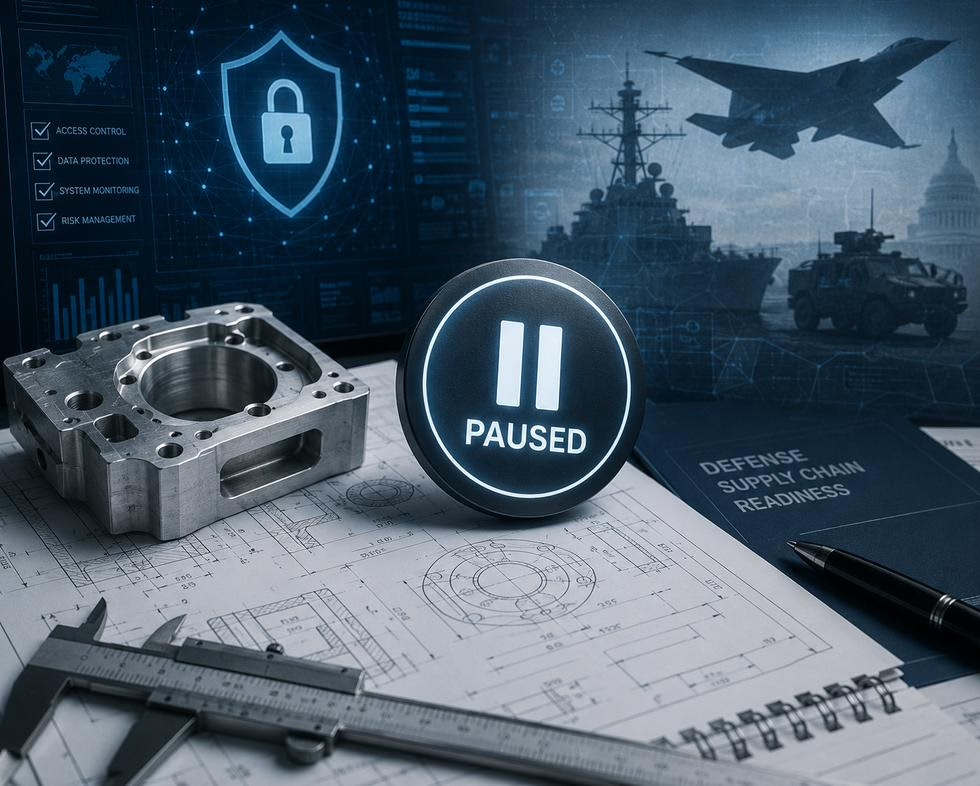
Here’s the current reality: CMMC is no longer something on the horizon. The final rule took effect November 10, 2025. As a result, DoD contracts now include CMMC requirements as a condition of award. Phase 2 — which introduces mandatory third-party C3PAO assessments for most Level 2 contracts — begins in November 2026. For defense contractors and suppliers, the window to get ahead of this is now.
 What CMMC Level 2 Actually Requires
CMMC, or Cybersecurity Maturity Model Certification, was built to protect Controlled Unclassified Information (CUI) within the defense industrial base. Level 2 is the most common requirement for manufacturers handling defense contracts. Specifically, it maps to 110 security controls from NIST SP 800-171 and applies to any supplier whose systems process, store, or transmit CUI.
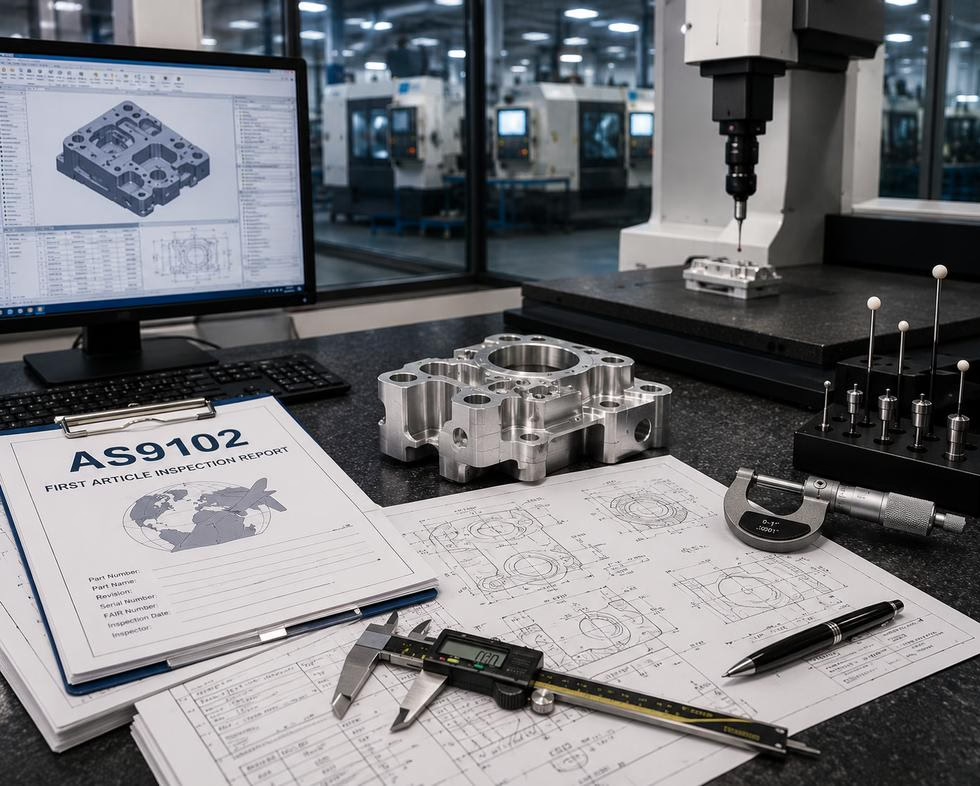
For defense manufacturing suppliers, that scope is broader than it might sound. CUI shows up regularly in engineering drawings, technical specifications, bills of materials, quality documentation, and test data — all things that move through normal production workflows.
In practice, this goes well beyond IT infrastructure. Defense buyers evaluate how an entire operation handles sensitive information throughout the manufacturing process. Drawing control, documentation management, communication workflows, and supplier accountability all fall within scope.
What Defense Buyers Are Looking For in Suppliers
Sourcing teams don’t evaluate suppliers based on cybersecurity language alone. Instead, they assess operational risk. They want clear answers to three questions:
- Can this supplier handle controlled information responsibly?
- Do they operate with disciplined internal processes?
- Will they create problems for quality, compliance, or program management down the road?
Because of this, CMMC Level 2 readiness has become a meaningful signal. It tells buyers that a supplier takes operational maturity seriously. It also reinforces confidence in areas procurement and engineering teams already care about: process discipline, documentation control, responsiveness, traceability, and internal accountability.
In high-consequence manufacturing environments, those qualities aren’t optional. Supplier instability tends to become program instability quickly.
Why CMMC Compliance Matters Beyond the Requirement
Major prime contractors aren’t waiting for Phase 2 to enforce supplier expectations. Lockheed Martin, Boeing, and Northrop Grumman have already issued supplier directives requiring compliance documentation. Furthermore, some FY2026 contracts already include C3PAO requirements today.
That shift changes the competitive landscape significantly. Suppliers who demonstrate stronger operational controls earn a reputation as lower-risk, long-term partners. In turn, that leads to easier onboarding, stronger customer confidence, and better positioning for follow-on work.
Defense manufacturing teams face constant pressure to reduce uncertainty. Suppliers that communicate clearly, stay organized, and execute with discipline make life easier for the engineering, sourcing, and quality teams responsible for keeping programs on track.
The Bigger Picture for Defense Manufacturing Partners
CMMC Level 2 compliance isn’t just about keeping a contract. It reflects a broader shift across the defense industrial base toward operational stability, accountability, and supply chain resilience.
Consequently, suppliers that invest in process discipline, documentation control, and consistent execution aren’t only meeting a regulatory requirement. They’re building the operational foundation that serious defense programs look for in a long-term manufacturing partner.
For buyers, the goal is straightforward: find suppliers who can do the work, protect the program, and avoid creating unnecessary friction along the way.
That’s what strong manufacturing partnerships are built on.